24-Hour Emergency Helpline 01844 292292

Home / News / Uncategorised / Found a baby bird? Here’s what to do
Found a baby bird? Here’s what to do
Spring is one of the busiest times of year for wildlife rescue centres like Tiggywinkles. As gardens and parks come alive, so do hundreds of young birds taking their first steps (and hops!) into the world.
It’s natural to want to help when you spot a baby bird on the ground – but in many cases, the best thing you can do is… nothing at all.
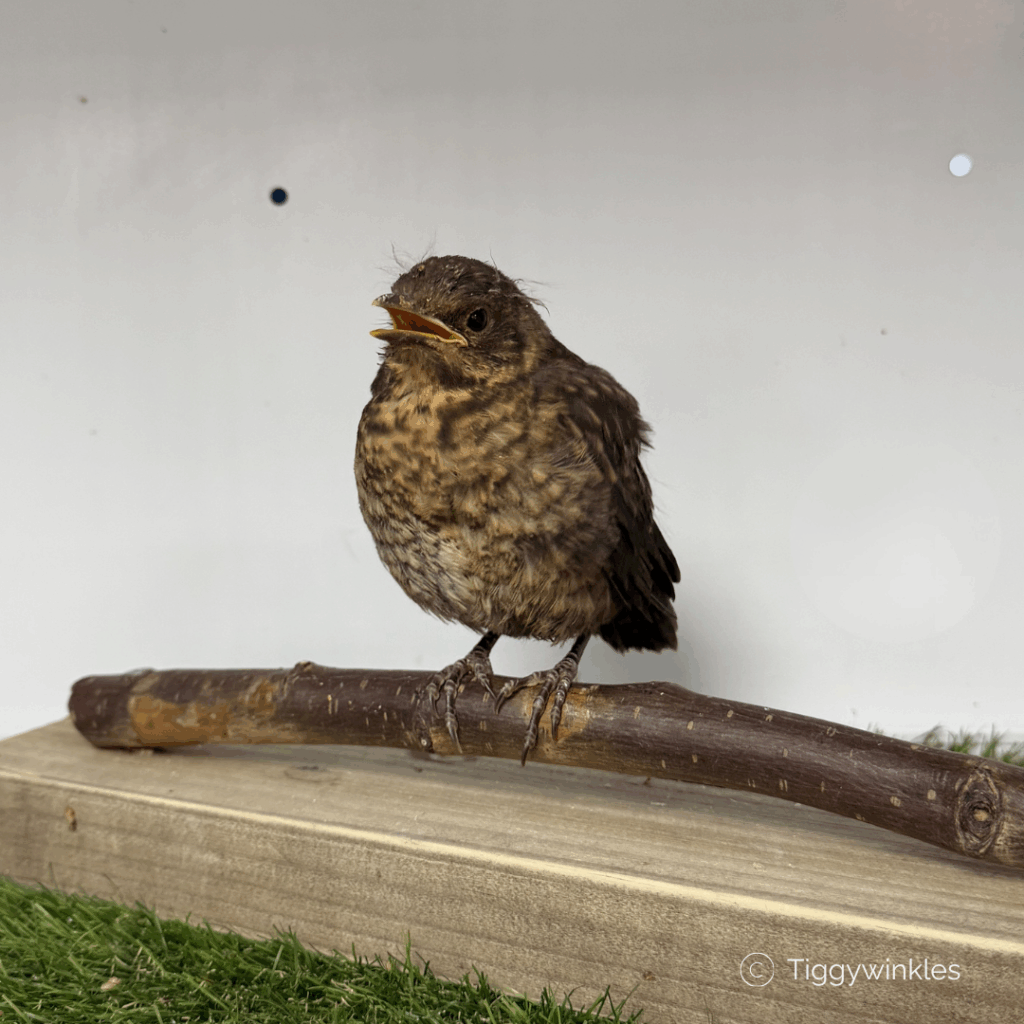
Here’s how to tell when a bird needs help – and when it’s perfectly fine to leave it be.
Not all baby birds are in trouble
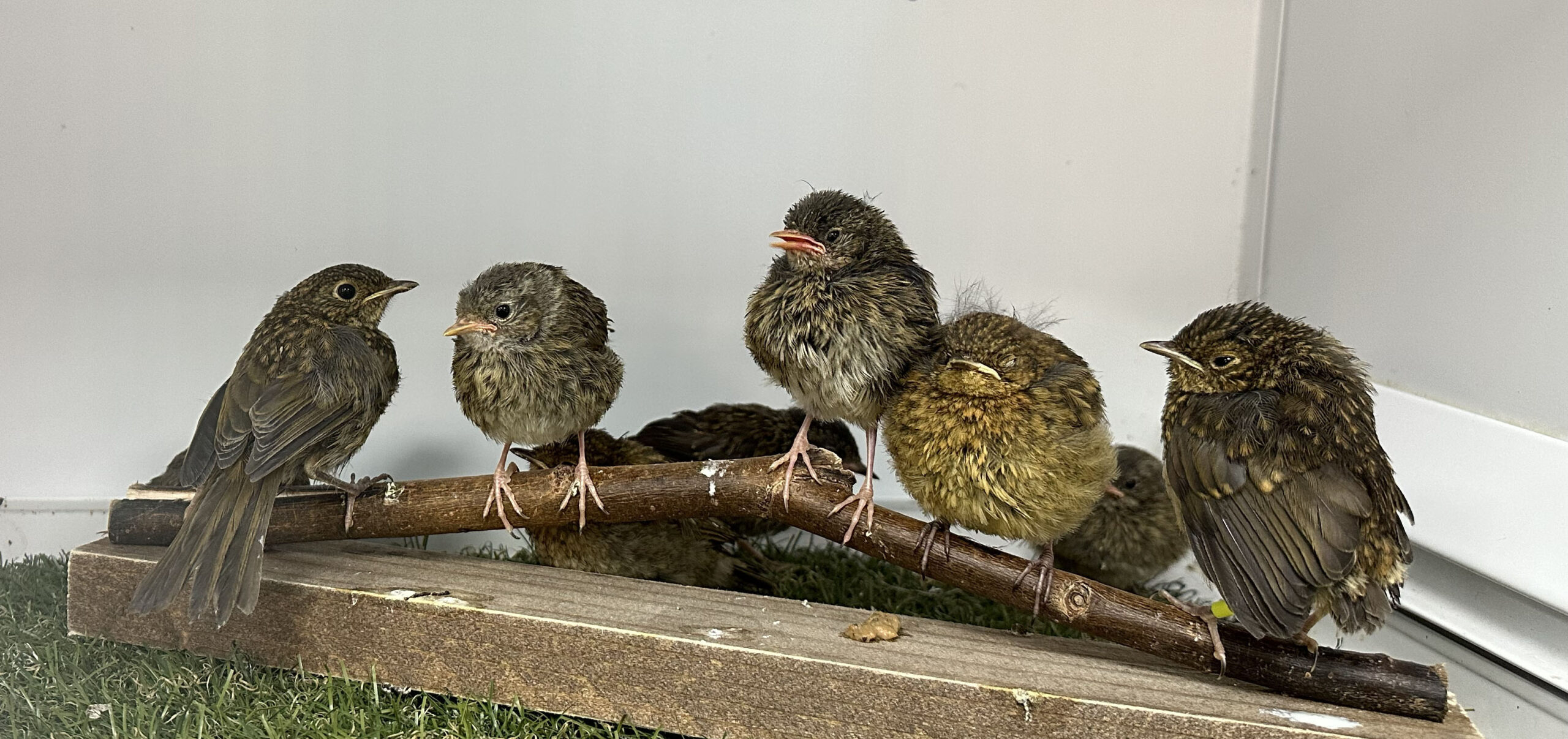
If the bird is fully feathered, hopping around, and looks alert, it’s likely a fledgling. This is a normal stage of development where young birds leave the nest before they can fully fly.
Although it may seem vulnerable, its parents are usually close by, keeping a watchful eye and returning regularly to feed it. Intervening at this stage can actually do more harm than good.
When a little help is okay
If a fledgling is in immediate danger—such as near a road or within reach of pets—you can gently move it a short distance to safety. Placing it under a bush or in nearby cover gives it protection while still allowing its parents to find and care for it.
What if it’s very young?
If the bird has little to no feathers, it’s likely a nestling that has fallen from its nest.
If you can locate the nest, carefully place the bird back inside. Don’t worry – parent birds will not reject their young due to human scent. This is a common myth and shouldn’t stop you from helping.
When to seek urgent help
There are situations where intervention is essential:
- The bird is visibly injured
- It has been caught by a cat
- It appears weak, unresponsive, or distressed
In these cases, place the bird in a secure, ventilated box lined with a soft cloth and keep it somewhere warm, quiet, and dark. Then contact a wildlife rescue centre as soon as possible for expert advice.
Keep pets at a distance
Dogs and especially cats pose a significant threat to young birds during spring. Keeping pets supervised or indoors – particularly during early mornings and evenings – can make a huge difference.
When in doubt
It’s always best to seek guidance before stepping in. Well-meaning actions can sometimes separate birds from their parents unnecessarily. Often, the kindest and most effective help is simply giving them space.
Need advice? Call our 24-hour wildlife casualty helpline on 01844 292292.
Make a donation
By donating to Tiggywinkles, you will be helping us provide life-saving treatment and care to all species of British Wildlife.