24-Hour Emergency Helpline 01844 292292

Train with Tiggywinkles – Gain a Recognised Animal Care Qualification
We offer a unique, hands-on route to achieving a fully accredited, nationally recognised qualification — all while working directly with a huge variety of British wildlife.
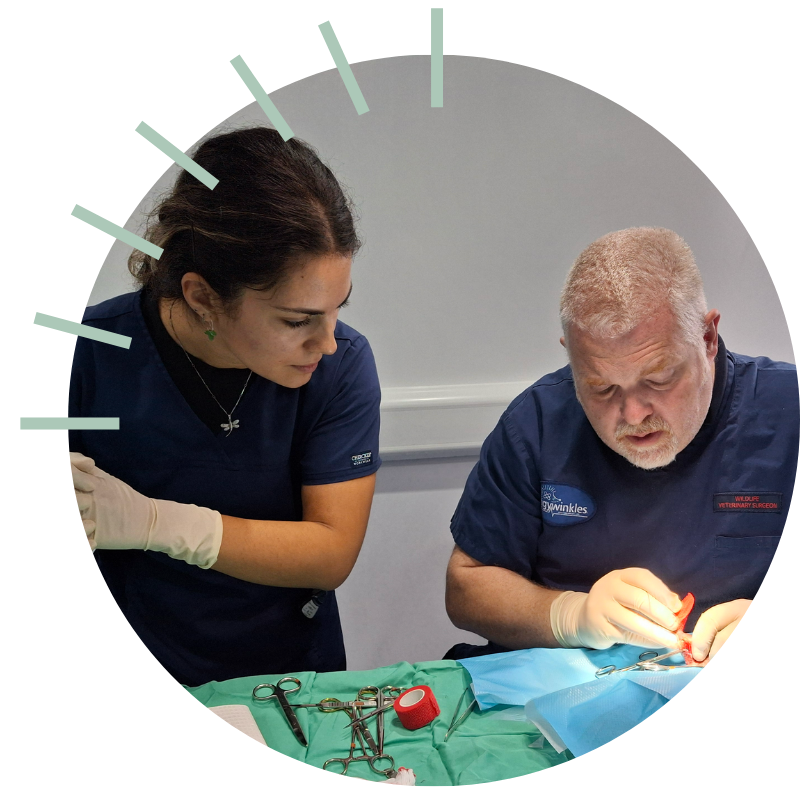
As both a working wildlife hospital and a practical training centre, Tiggywinkles gives students the chance to spend 60–80% of their time on practical, hands-on experience. This includes vital animal husbandry tasks such as cleaning, feeding, mucking out and moving some of the 1,000+ wild animals in our care at any one time.
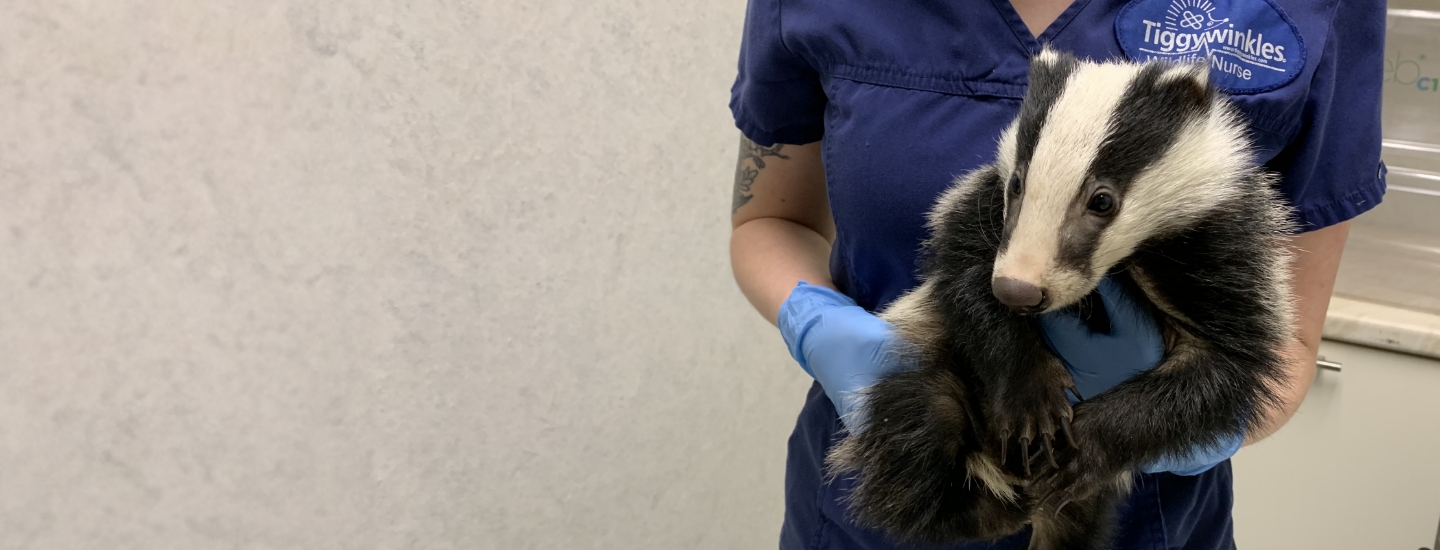
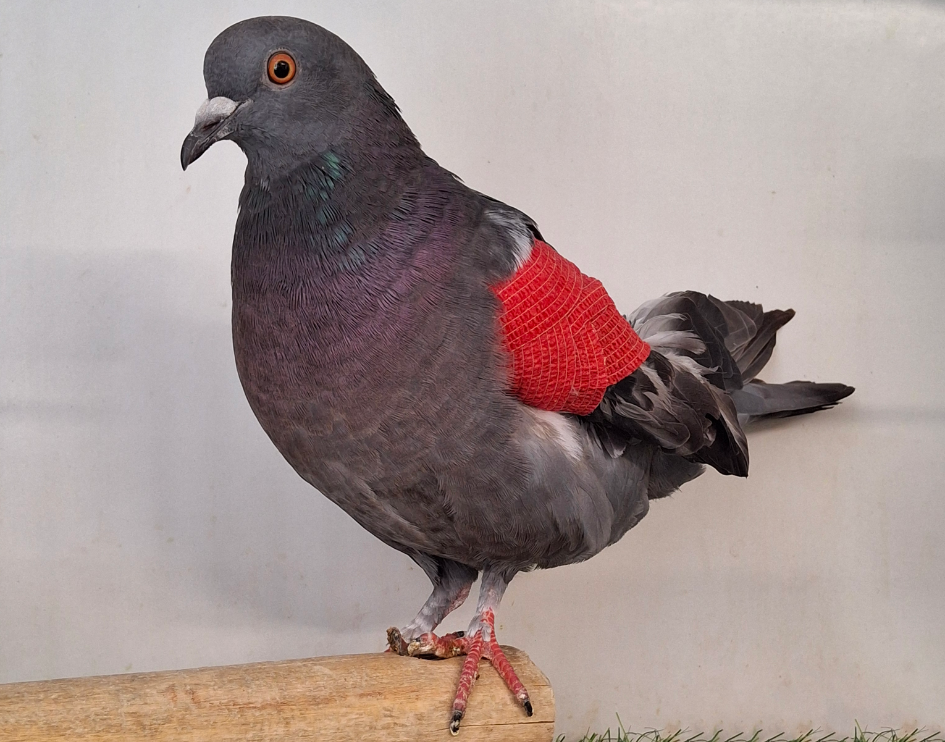
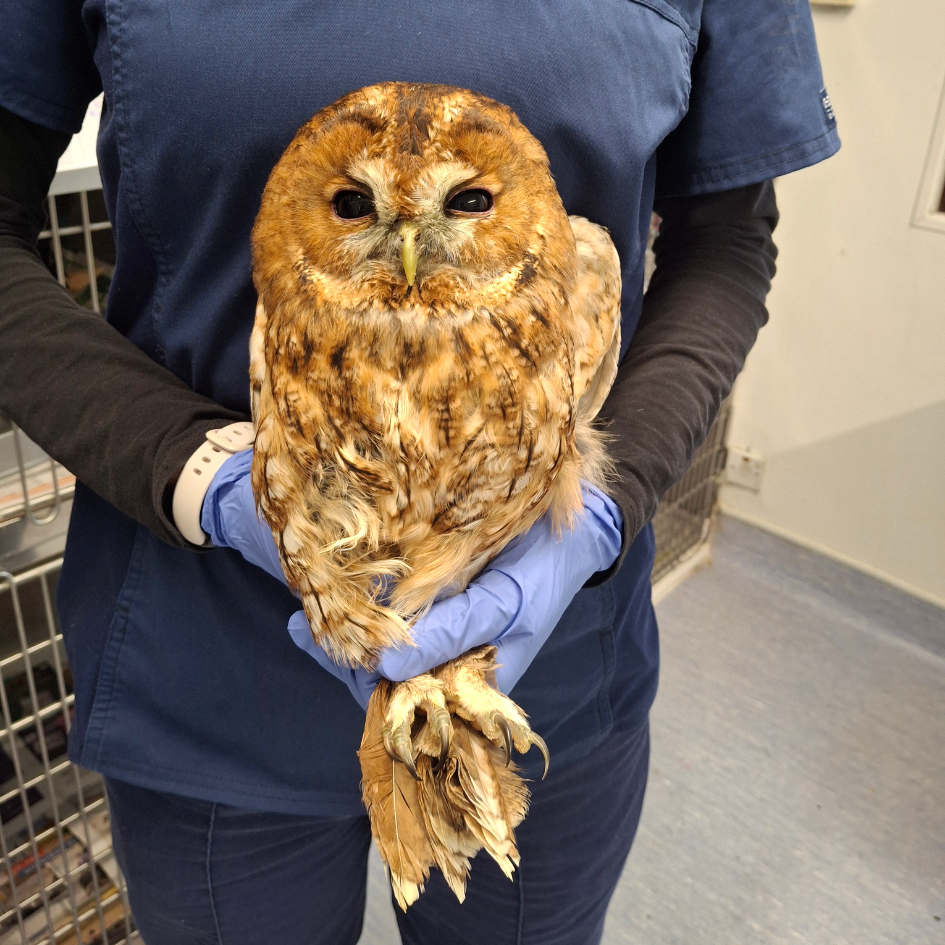
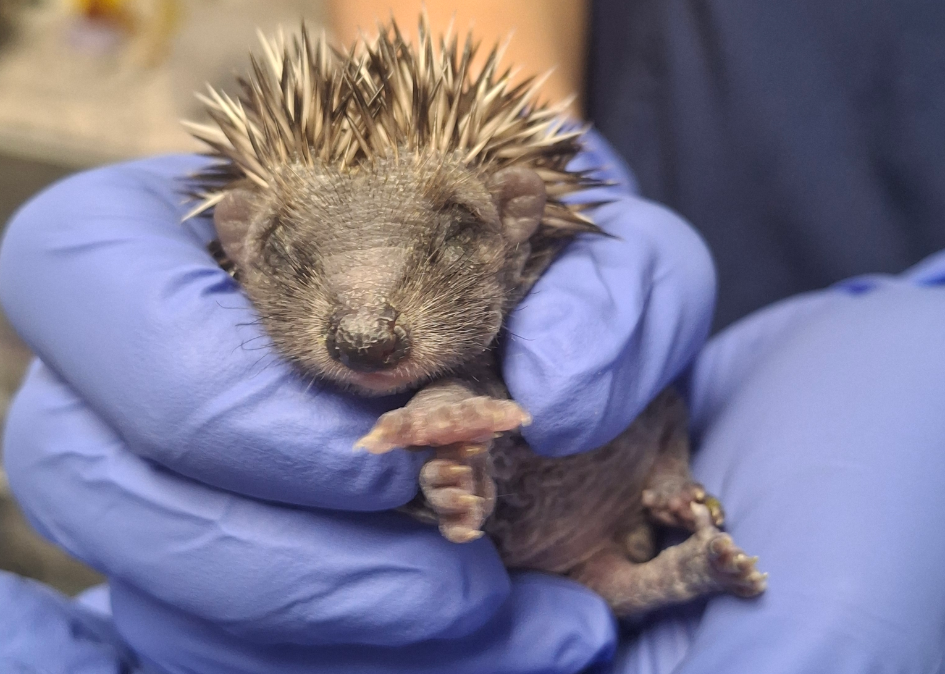
During training, students work closely with a wide range of species — from hedgehogs, rabbits and swans to birds of prey. You’ll gain experience in every aspect of care: taking in deliveries of feed, maintaining pens, cages and aviaries, assisting in the wards and rehabilitation enclosures, and even helping with health checks.
Because our hospital operates year-round, you’ll experience the challenges and rewards each season brings, playing a vital part in the care of sick, injured, and orphaned wild animals — and helping them on their journey back to the wild.
This course focuses on the core principles and practices of animal care and welfare. Level 2 is ideal if you’re new to animal care or already have some basic knowledge. It’s a great way to build skills for roles in animal shelters, kennels, pet shops, or to prepare for further training.
Alongside your practical experience, you’ll also complete assignments at home to strengthen your theoretical knowledge. This nationally recognised qualification gives you a solid foundation in animal care – while offering the rare opportunity to gain real-world experience in a busy wildlife hospital.
English/Maths: 16-18 year old students will be required to take English and Maths classes at the Buckinghamshire College Group (Aylesbury, Amersham or Wycombe campus), if they do not have 9-4 / A*-C grade GCSEs. This is part of the Animal Care programme of study, and does not require any additional application for these classes.
Level 3 qualifications
Click the link below to find out more about the Level 3 – Animal Management course and the Level 3 – Practical Skills course.
Course Progression
As part of the Level 2 Animal Care qualification, you’ll receive guidance and support to help you take your next steps in the animal care industry.
After completing your Level 2 Diploma, there are several progression routes available:
- Level 3 Practical Animal Care Skills – ideal for those who want to build on their husbandry experience, strengthen their animal handling confidence, and gain more advanced, hands-on skills.
- Level 3 Animal Management – for students with a strong academic record (Grade 4+ in Maths and English) who achieve an overall Merit grade at Level 2, including a Distinction in the Biology unit, and have shown real commitment to learning.
These qualifications can open the door to a wide range of career opportunities in the animal care sector or prepare you for higher-level study
Course Start
Course Length
Location
Days & Entry Requirements
Two week days, plus one day at the weekend, every week. 16-18 year olds requiring English or Maths classes will additionally need to attend lessons at the Buckinghamshire College Group.
Note: Courses run from September to end of July – with two weeks off at Christmas and two weeks at Easter. We do NOT break for half-terms or bank holidays.
3 GCSEs at grade 3 / D-E or above, including English, Maths and Science/Biology.
Mandatory and optional units
Students must complete all mandatory units:
- Unit 201: Maintain Animal Health and Welfare
- Unit 202: Undertake Practical Animal Feeding
- Unit 203: Maintain Animal Accommodation
- Unit 204: Undertake Work Related Experience in the Land-based Industries
- Unit 206: Introduction to the Principles and Practices of Animal Behaviour and Handling
Additionally, students must also complete two of the following units:
- Unit 205: Understand the Basic Principles of Animal Biology
- Unit 207: Contribute to the Nursing of Animals
- Unit 208: Understand the Principles and Practices of Animal Establishments
- Unit 216: Understand British Wildlife Species, Habitats and Rehabilitation
- Unit 219: Participate in Providing Estate Maintenance
Students will have extensive practical work experience throughout this year and will also cover: CV writing, job applications, interview techniques, team working, dealing with the public and employability skills.
2026/27 – Fees & Funding Support
On enrolment, ALL students will be required to purchase and wear uniform tops (this is not covered by course fees).
Students aged 16-18 are exempt from tuition and registration fees.
19+ course fees are £1,175 for the course. Payment in instalments may be possible but must be agreed in advance.
Students aged 19-24 may qualify for full or partial course fees funding, depending on eligibility criteria. Please contact Bucks College Group for info.
What careers could this lead to?
Completing this course opens the door to a wide range of exciting careers working with animals, such as kennels and catteries, pet shops, zoos and wildlife parks, animal welfare organisations and veterinary practices as assistants or trainee nurses.
This qualification also provides a strong foundation for further study. Many students progress to a Level 3 Animal Management course, A Levels, or specialist training, such as veterinary nursing or zoology.
Whether you’re dreaming of working hands-on in animal care or taking your studies further towards a career in veterinary science or wildlife conservation, this course is a great first step.