24-Hour Emergency Helpline 01844 292292

Home / News / General News / An ‘Oxford Scholar’ With Four Legs
An ‘Oxford Scholar’ With Four Legs
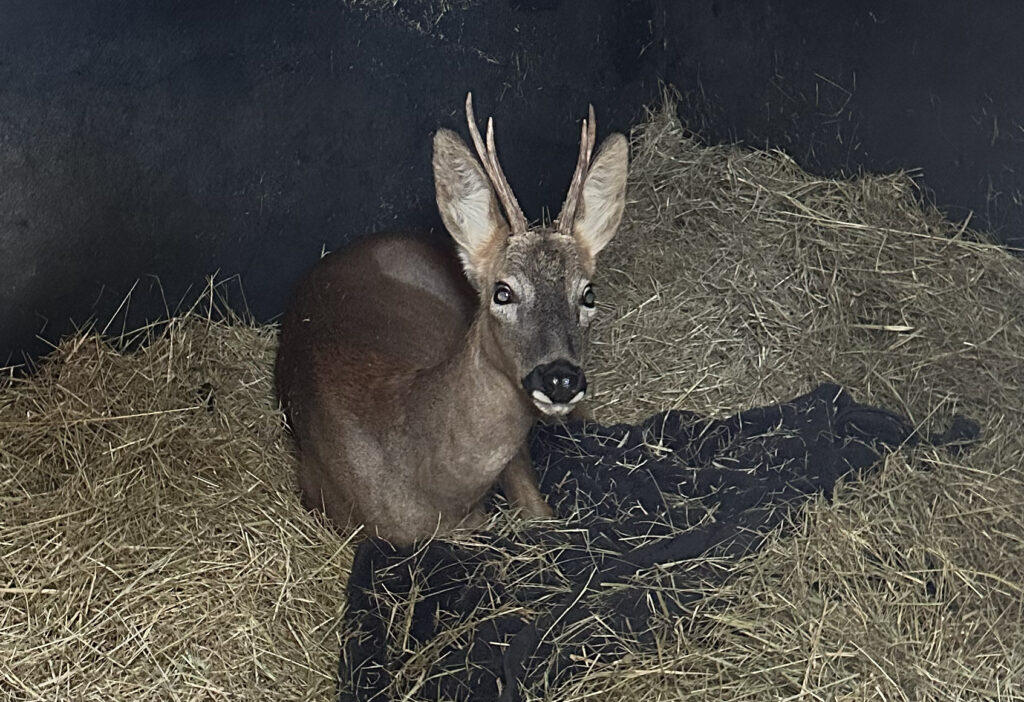
Every rescue tells a story of survival – and this autumn, one frightened roe deer, Dasher, was given a second chance thanks to the kindness of people like you.
Our team was called to Oxford University grounds after the young deer became impaled on a fencewhile trying to leap across. The wound to his rear leg was severe, and without urgent help, this beautiful animal would not have survived.
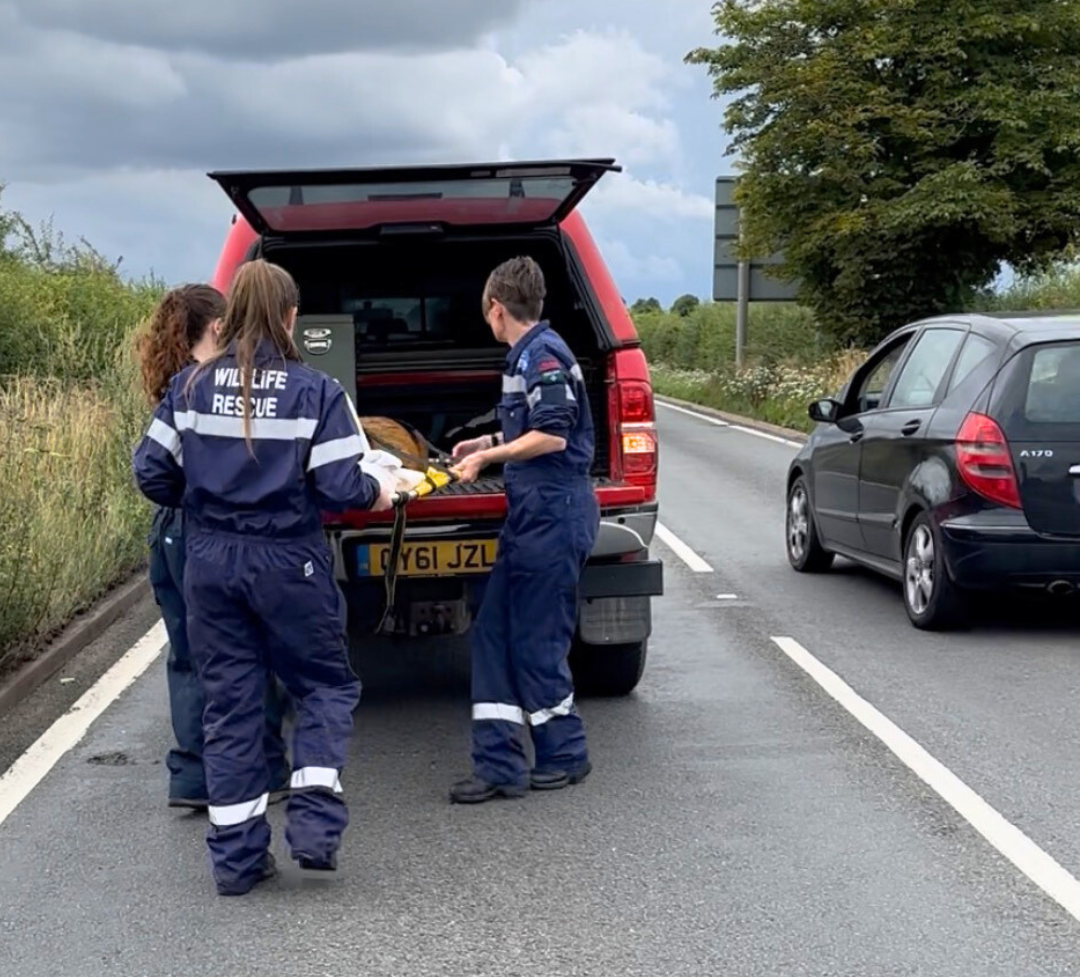
When our rescuers arrived, they found Dasher terrified and in terrible pain. With great care, they lifted him free and gave first aid right there on the scene. Once stable Dasher was gently placed into our wildlife ambulance and brought back to Tiggywinkles for specialist treatment.
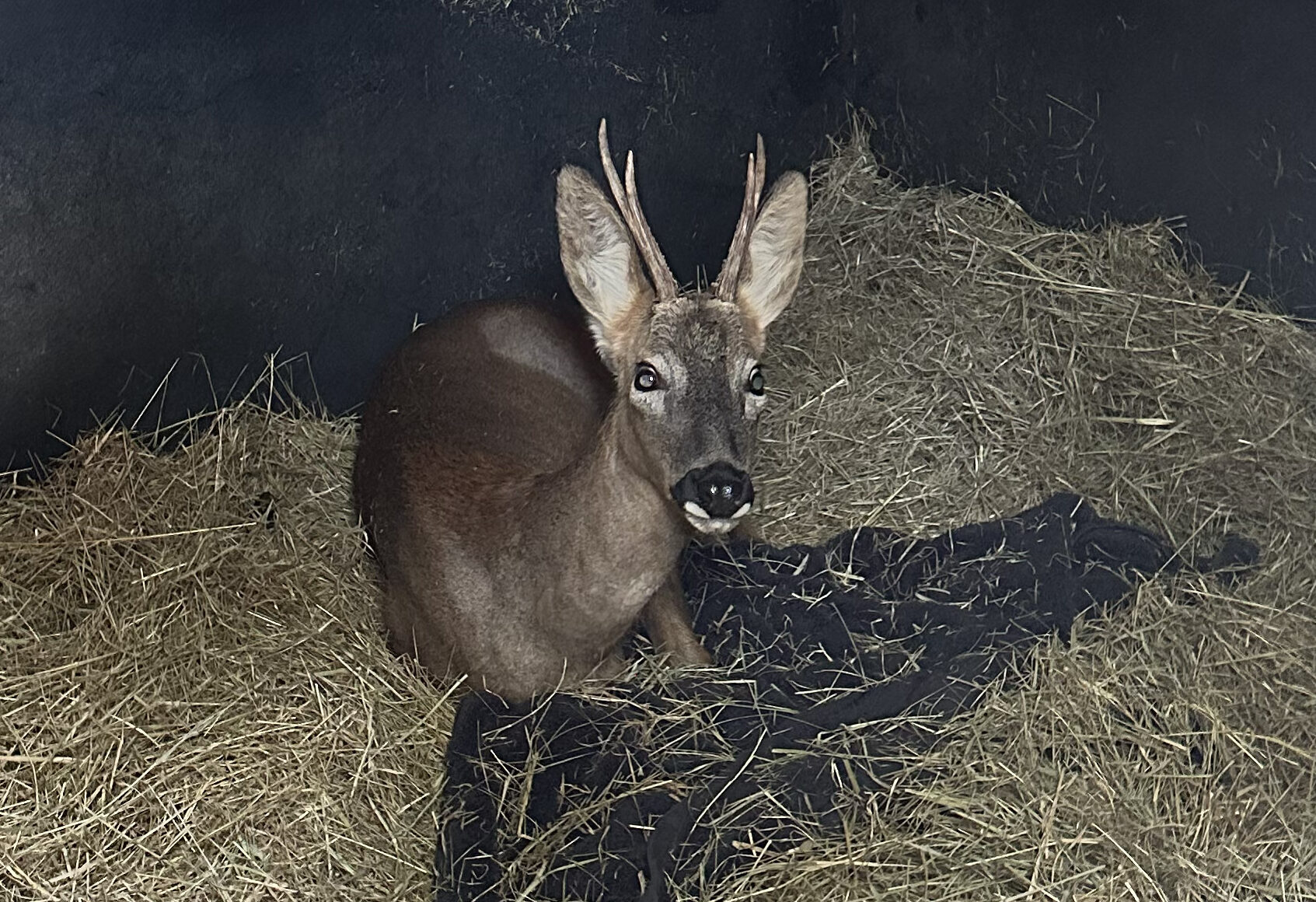
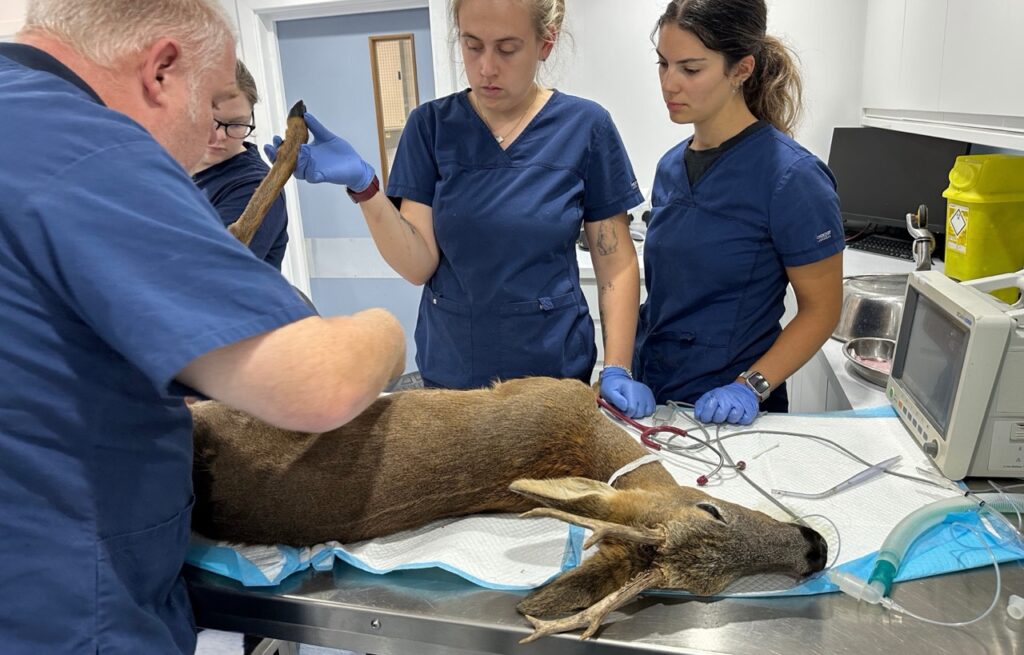
Now safe in our hospital, Dasher is recovering in our warm, dark, and quiet deer pen – a place designed to help these sensitive creatures heal with as little stress as possible. Every day, our vets tend to his wound and monitor his progress.
Slowly but surely, he is regaining strength, and we are hopeful that one day soon – after some timeout he can return to college to be released back into the wild where he belongs.
We like to think this brave roe deer has earned his place among Oxford’s finest minds – a true “Oxford intellect” for figuring out how to survive against the odds.
At this time of year, with the darker evenings, we are frequently called out to rescue large mammals such as deer, foxes and badgers. Our team of wildlife rescuers rely on having the essential kit available to help them tackle all kinds of emergency situations and to safely handle large, often unpredictable animals and transport them back to the hospital.
Rescuing and rehabilitating deer is a challenging task, and it wouldn’t be possible without our amazing supporters. If you’d like to help, you can adopt a deer with Tiggywinkles – it’s a wonderful way to support their care and recovery journey back to their wild home.
Make a donation
By donating to Tiggywinkles, you will be helping us provide life-saving treatment and care to all species of British Wildlife.